How babies actually sleep
Wake windows, nap transitions, night waking and how much sleep is normal at every age — written plainly, for people who are reading this tired. Free to read, no account needed, nothing to sign up for.

Start here
 The timeline
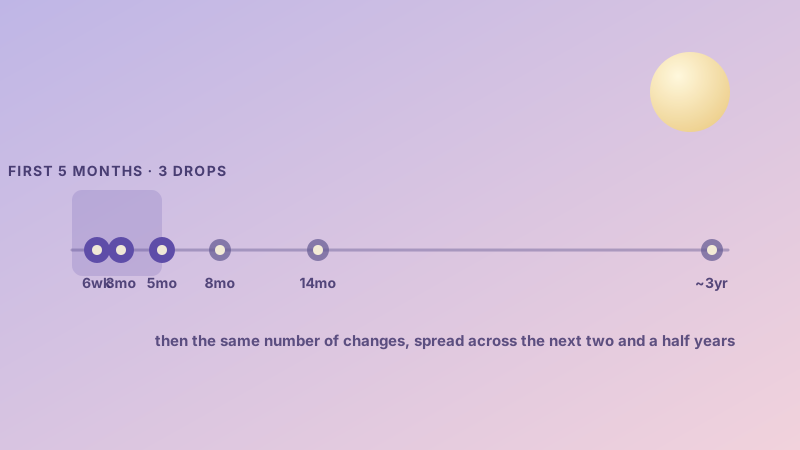
Half of every nap change happens before five months
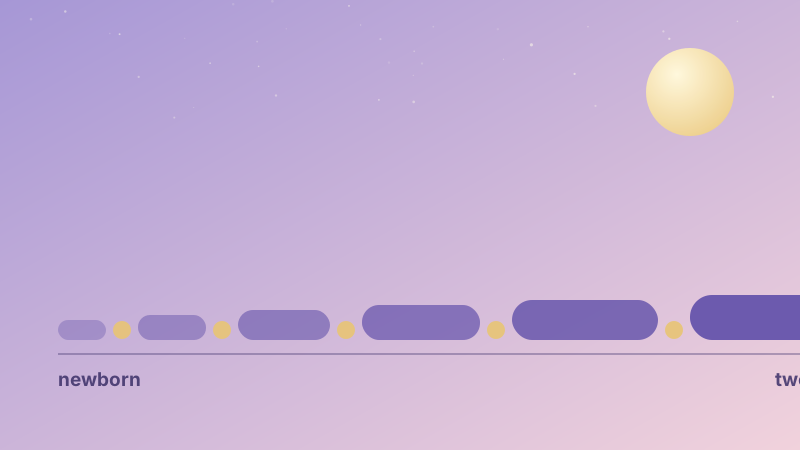
Six nap transitions happen between newborn and preschool. Three of them land in the first five months. The other three are spread across the next two and a half years.
Everything else
 Method
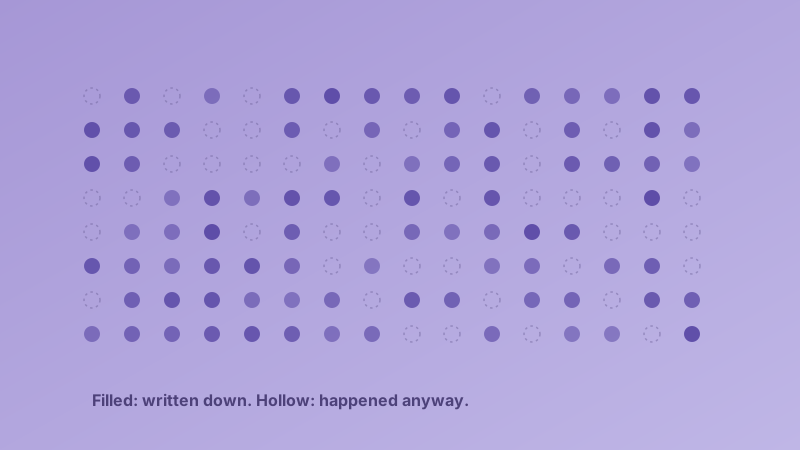
What sleep-tracking data can and cannot tell you
A tracker records what a parent wrote down, not what a baby did. Here is what a tracker's data can honestly support, and what it cannot.
 4 months
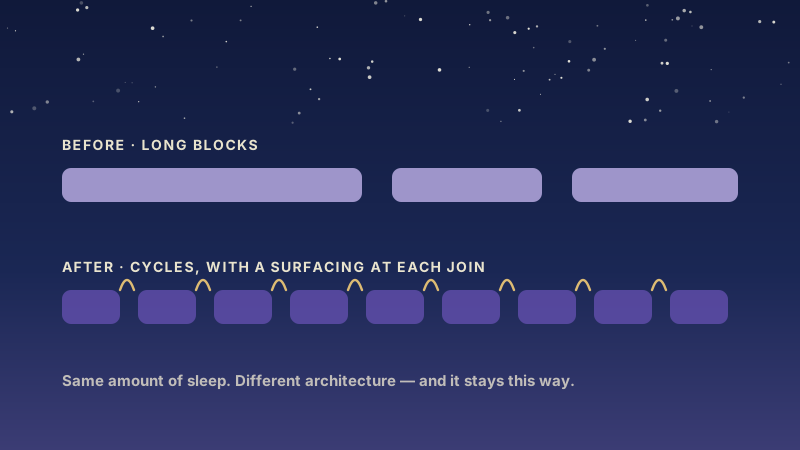
9 things nobody tells you about the 4-month change
It is the one every parent is warned about and almost nobody describes accurately. It is not a regression, it does not arrive on a date, and it is not something that gets fixed.
 Schedules
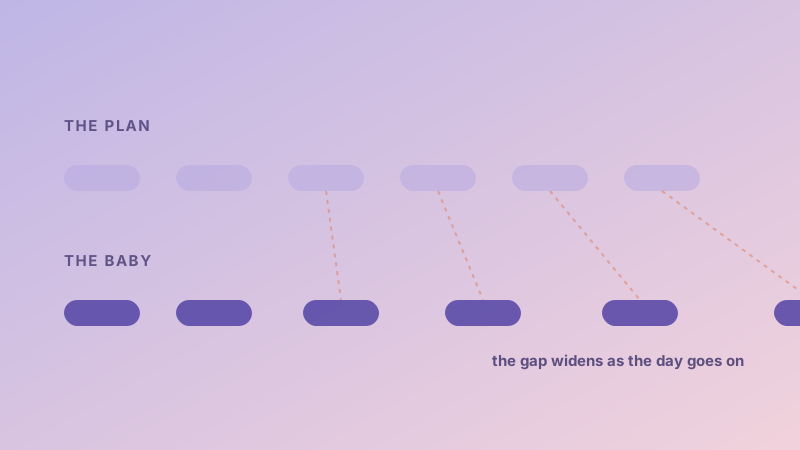
Why the same schedule stops working
A plan that fits your baby today is already expiring; she is changing underneath it. Here is what actually moves — and what a written record can show you about when it moved.
 Mistakes
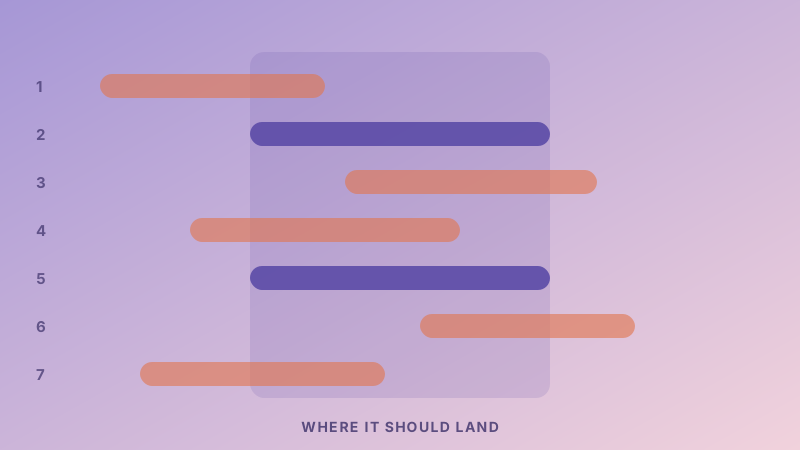
7 wake window mistakes almost everyone makes
Wake windows are simple enough to explain in a sentence and easy to get wrong in seven specific ways. Most of them come from treating one number as the whole answer.
 Naps
Naps
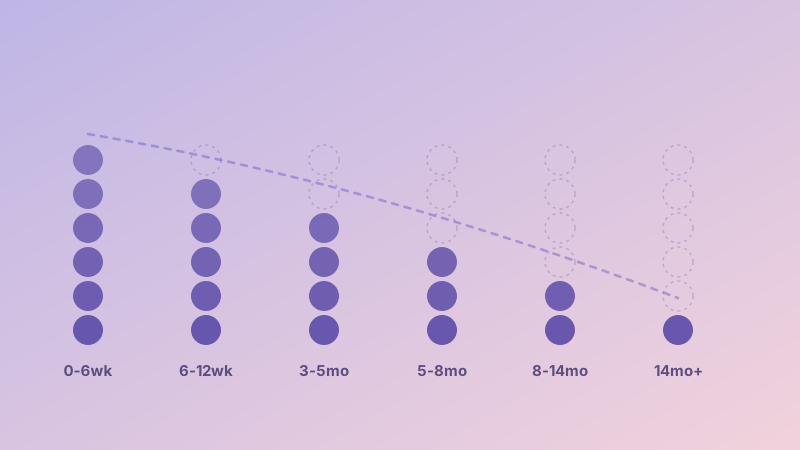
When naps drop, and what the transition usually looks like
The order babies drop naps in is predictable. The timing is not. What a real transition looks like, what a bad week looks like, and what parents describe when the timing is off.
 Overtired
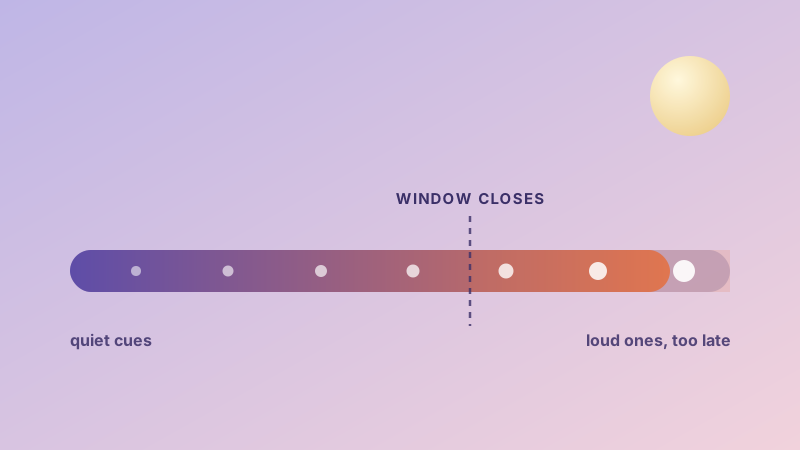
10 signs a wake window has gone too long
The tells come in a rough order, and the early ones are quiet. By the time a baby is crying they are usually well past the window, not approaching it.
 Night waking
Night waking is the norm, not the failure
About one in seven sleep logs is written between midnight and five in the morning — here is what is actually happening in those hours, and why it is not a failure.
 How much sleep
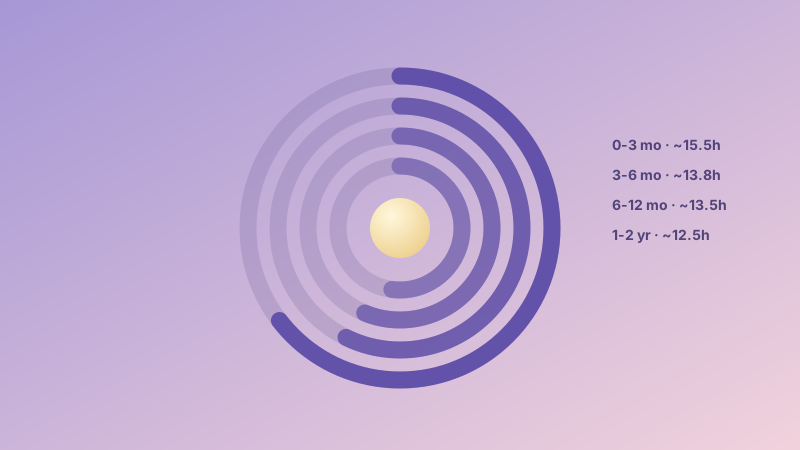
How much sleep a baby actually needs
The 24-hour ranges by age, why they are so wide, and why the total matters far less than how the day is broken up.
 Wake windows
Wake windows by age: the full ladder, newborn to two
The complete ladder from newborn to two years, why windows are measured sleep to sleep, and why the first window of the day is usually the shortest one in it.
How these are written
Checked against our own data
Median awake time between sleeps, from sleep logged in Cradle: 59 min around one month, 68 at two, 89 at three, 114 through three to five months. Parents were viewing a suggested window when they logged, so this shows what families record — not proof the ladder is right.
Grounded in published protocol
The bands here are the ones Cradle genuinely schedules from, adapted from established pediatric sleep protocol. Every reference behind them is listed on Sources & method.
Logged, never measured
Our figures describe what parents wrote down, not what a monitor observed. A missed log is invisible to us, so they are floors rather than ground truth — and nothing here claims Cradle makes babies sleep longer, better or sooner.
Ranges, not targets
Every band describes what is typical across many babies. It is not a goal to hit and not a verdict on yours. Anything that worries you about your baby’s health is a conversation for your doctor, not an app.